RATLINES 2026
Between 1945 and the early 1950s, a network of secret escape routes emerged across Europe that later became known as the ratlines. Along these routes, hundreds of National Socialists, collaborators, and war criminals fled from Germany and Austria through South Tyrol and Italy to Genoa. From there, they often continued their escape to South America, the Middle East, or North America. Among them were major war criminals and perpetrators of genocide such as Adolf Eichmann or Josef Mengele.
The chaos that prevailed in postwar Europe made it easier for Nazi criminals to move undetected. Italy became the central country of escape. In northern Italy, it was not difficult to obtain new documents and, with them, a new identity. These escapes were further supported through connections to the Red Cross, church relief organizations, and anti-communist networks of the immediate postwar period. The Vatican participated in the illegal movement of emigrants and issued letters of recommendation for the Red Cross. Fleeing criminals were granted shelter in monasteries. Parts of these structures were known to the Western Allies at an early stage, yet, in the context of the emerging Cold War, they were only rarely and inconsistently dismantled.
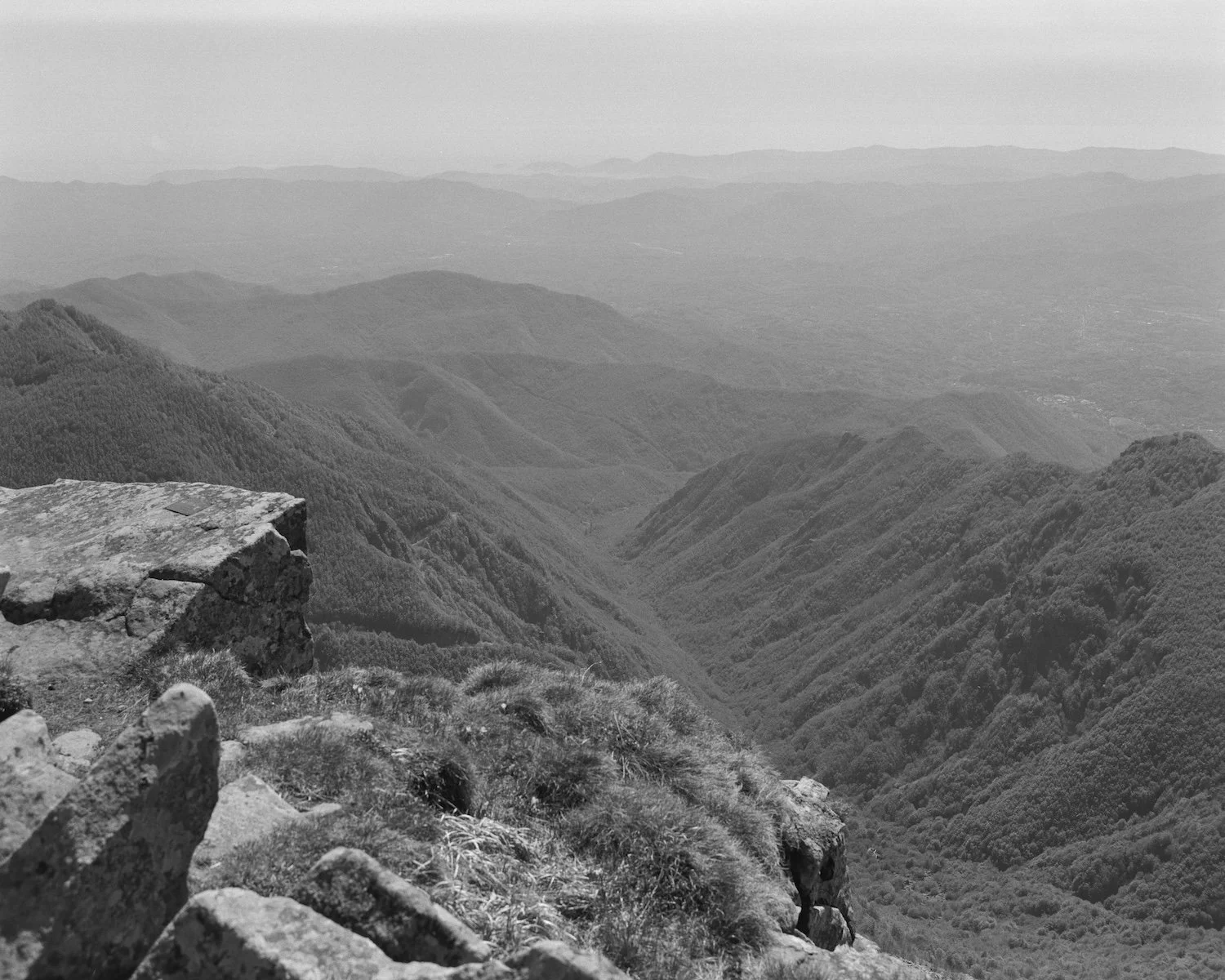

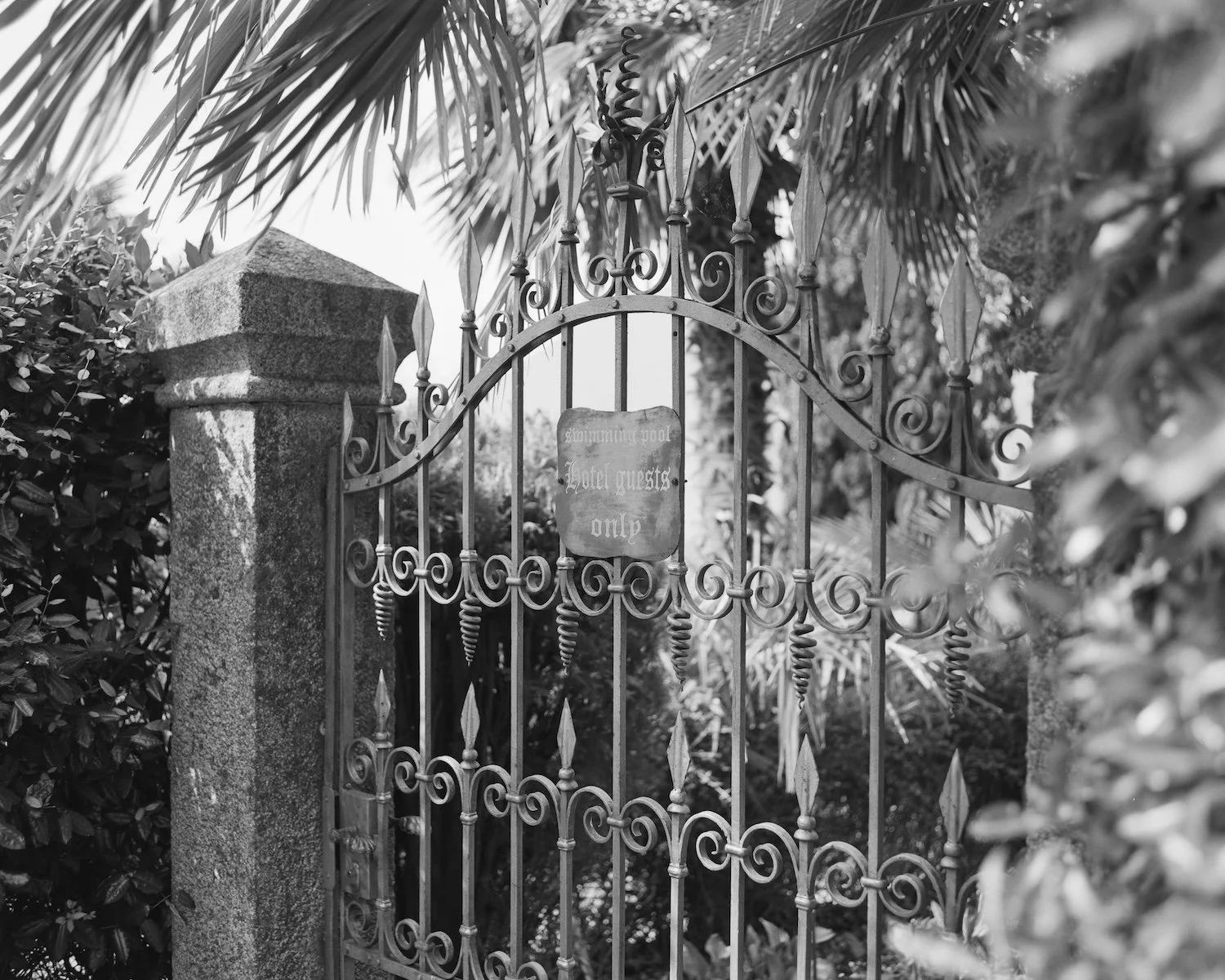
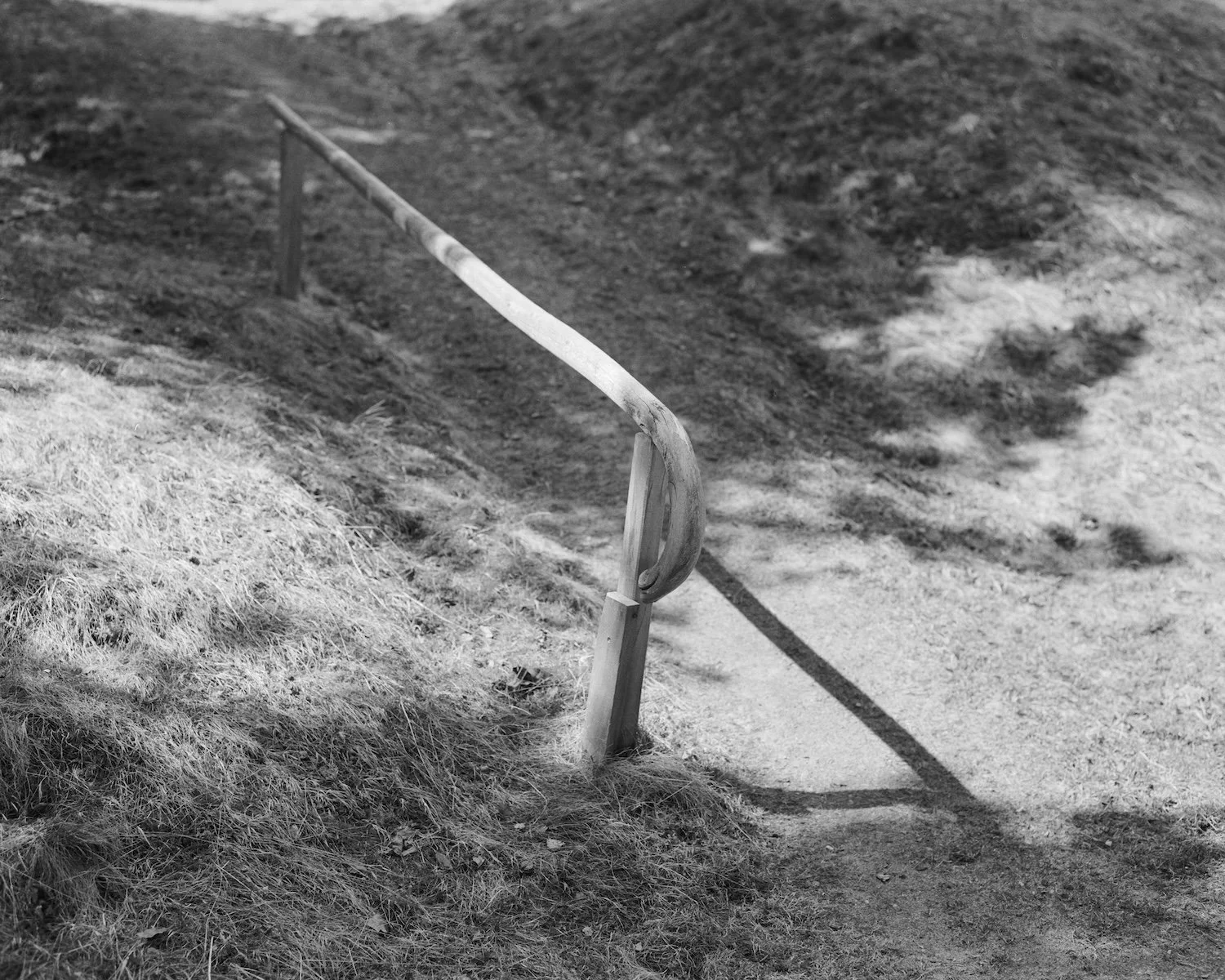
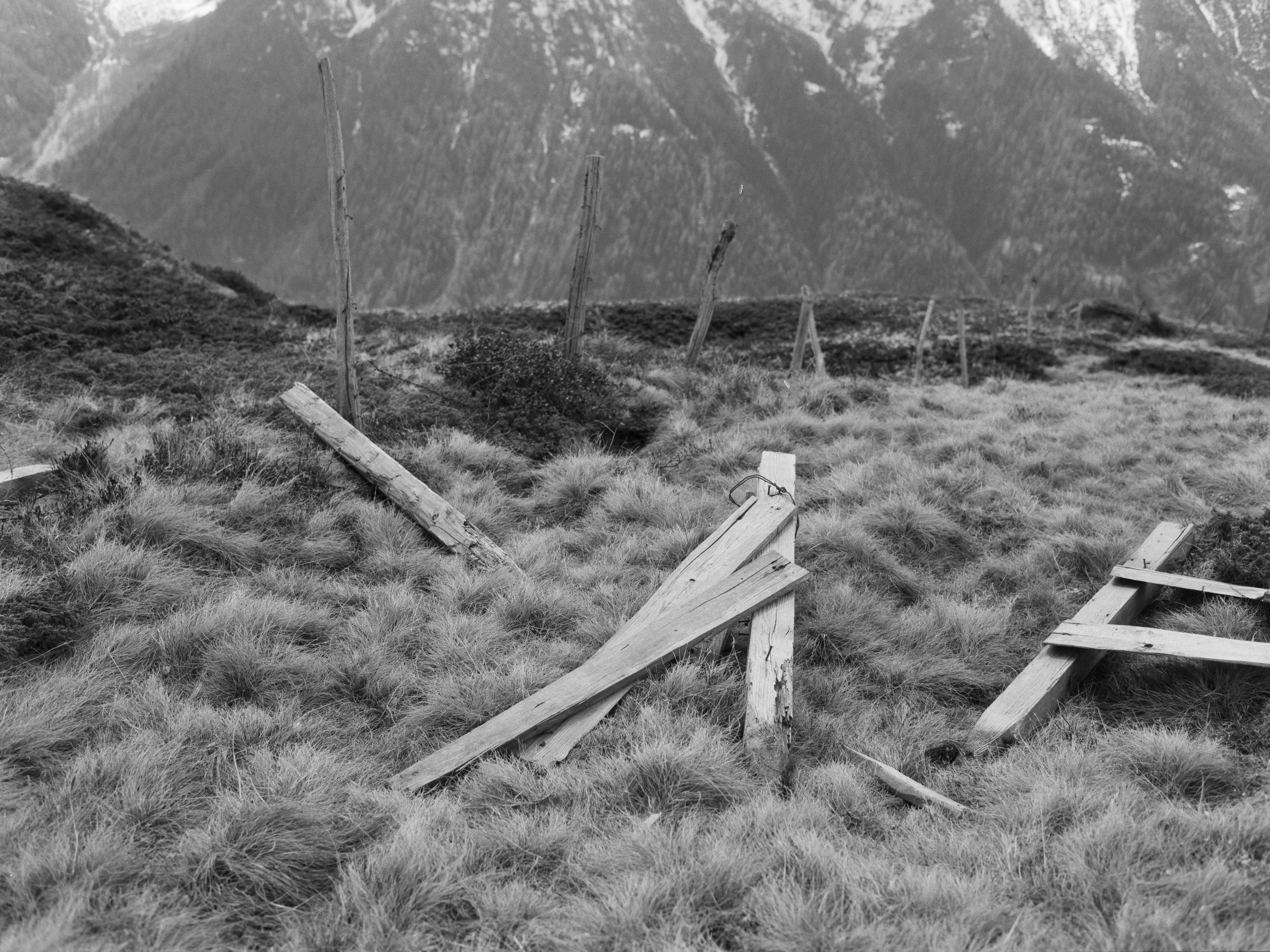
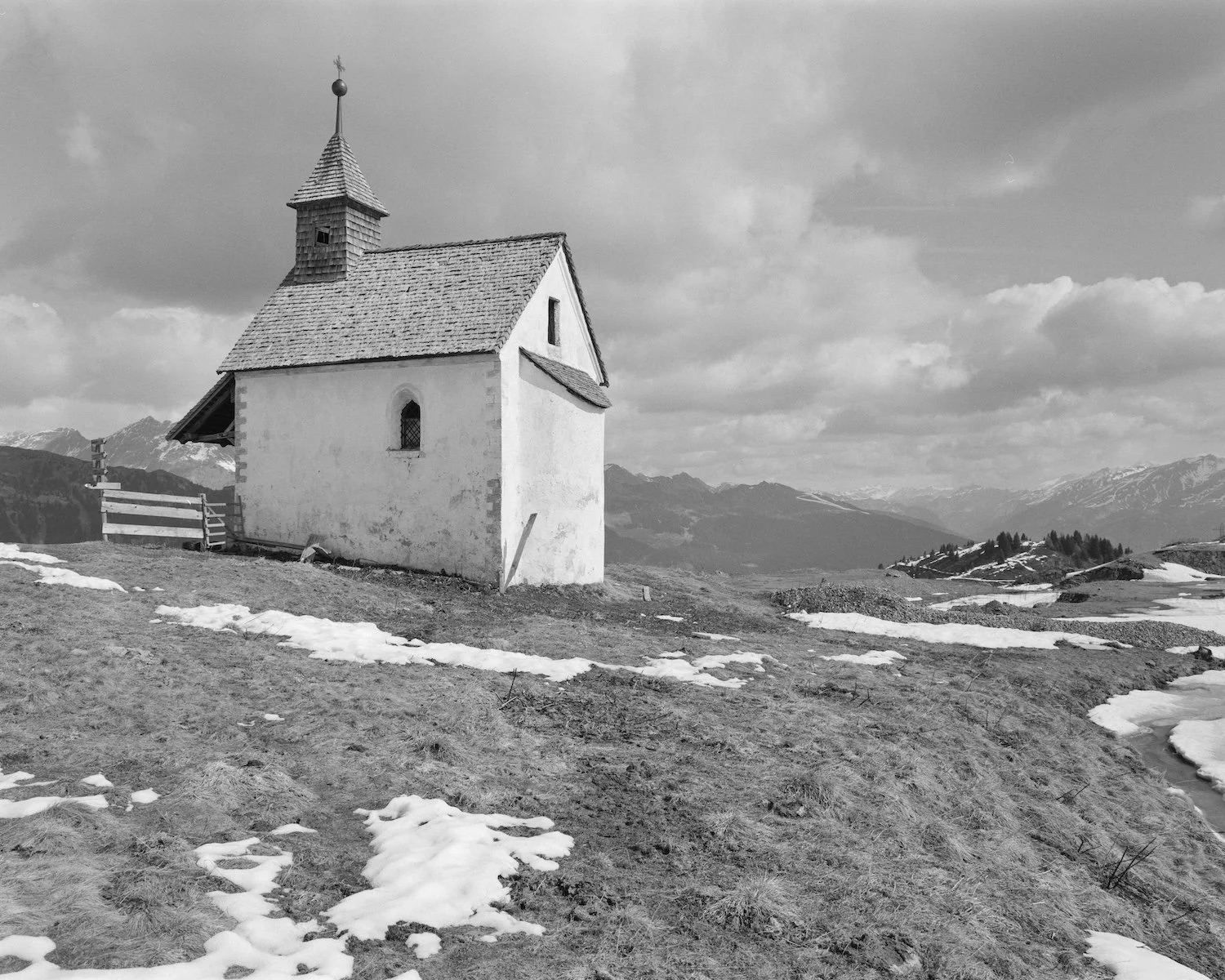
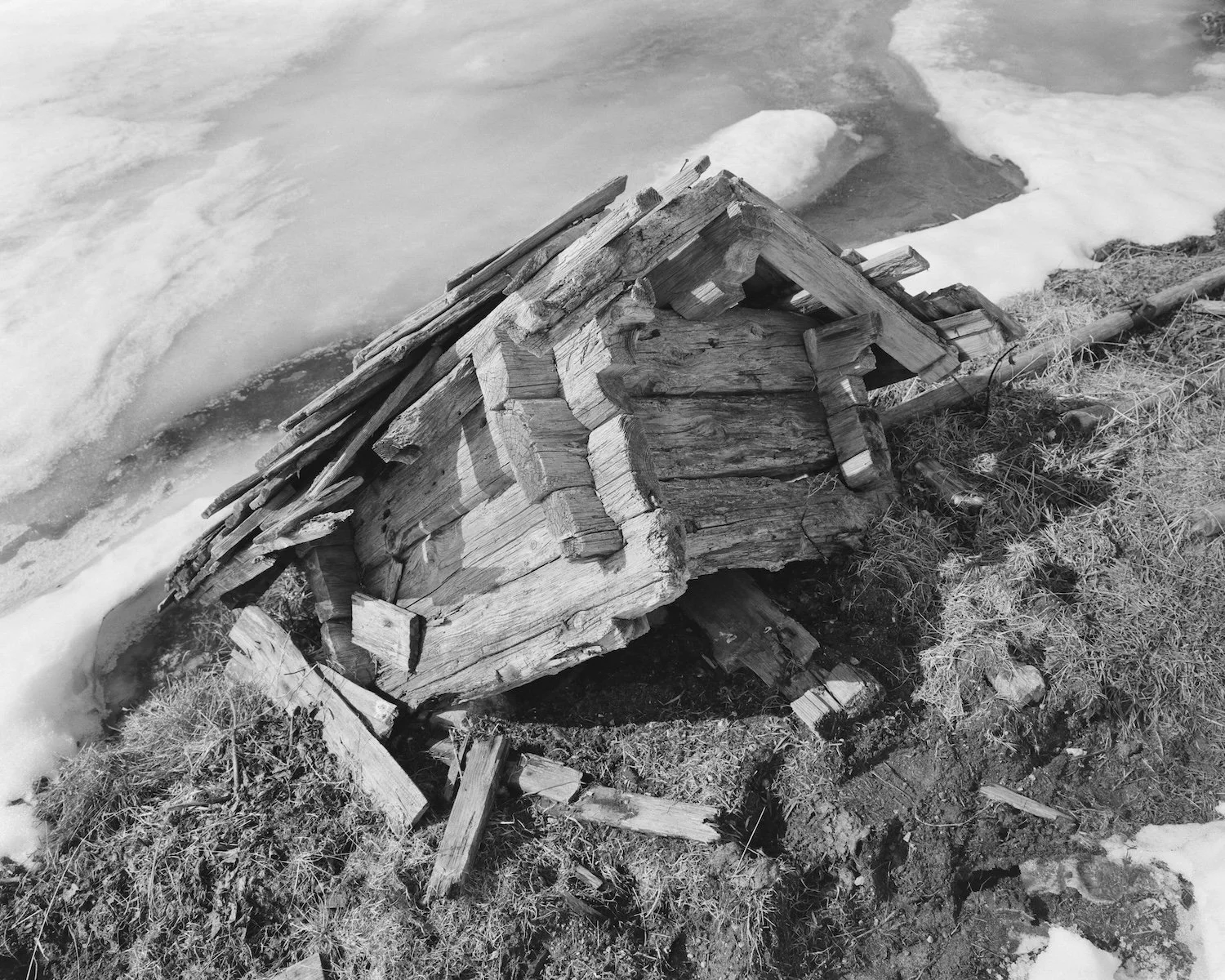
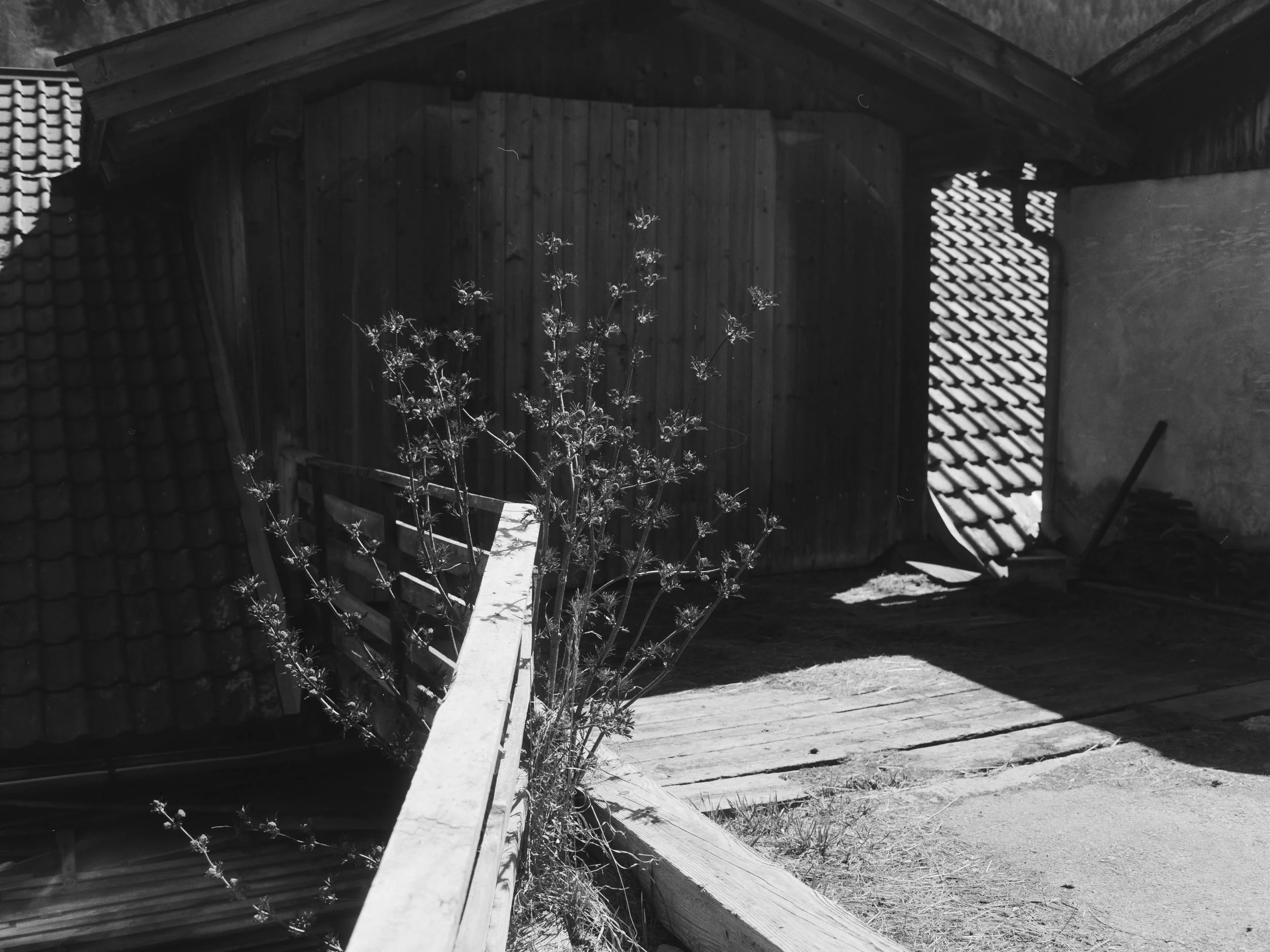
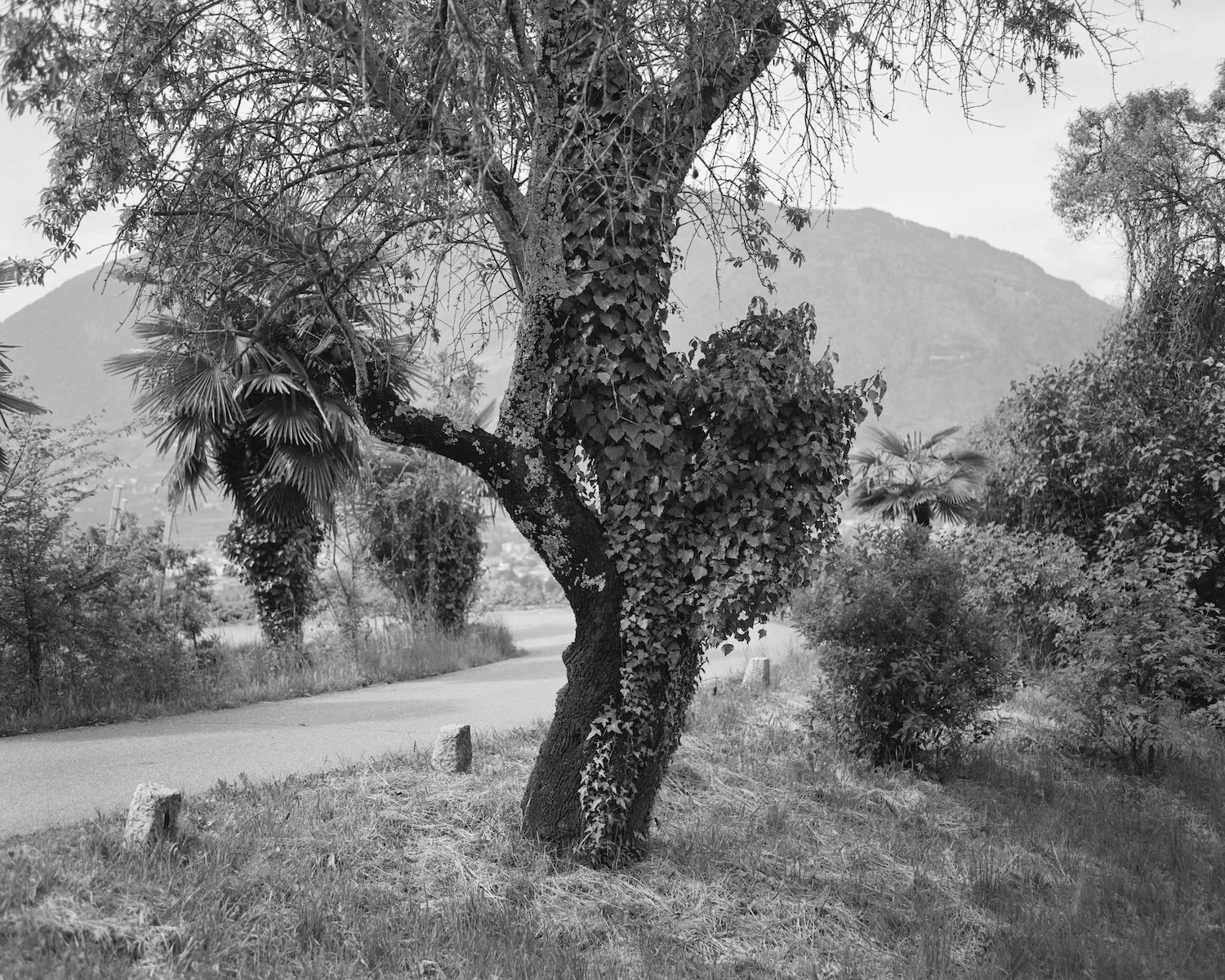
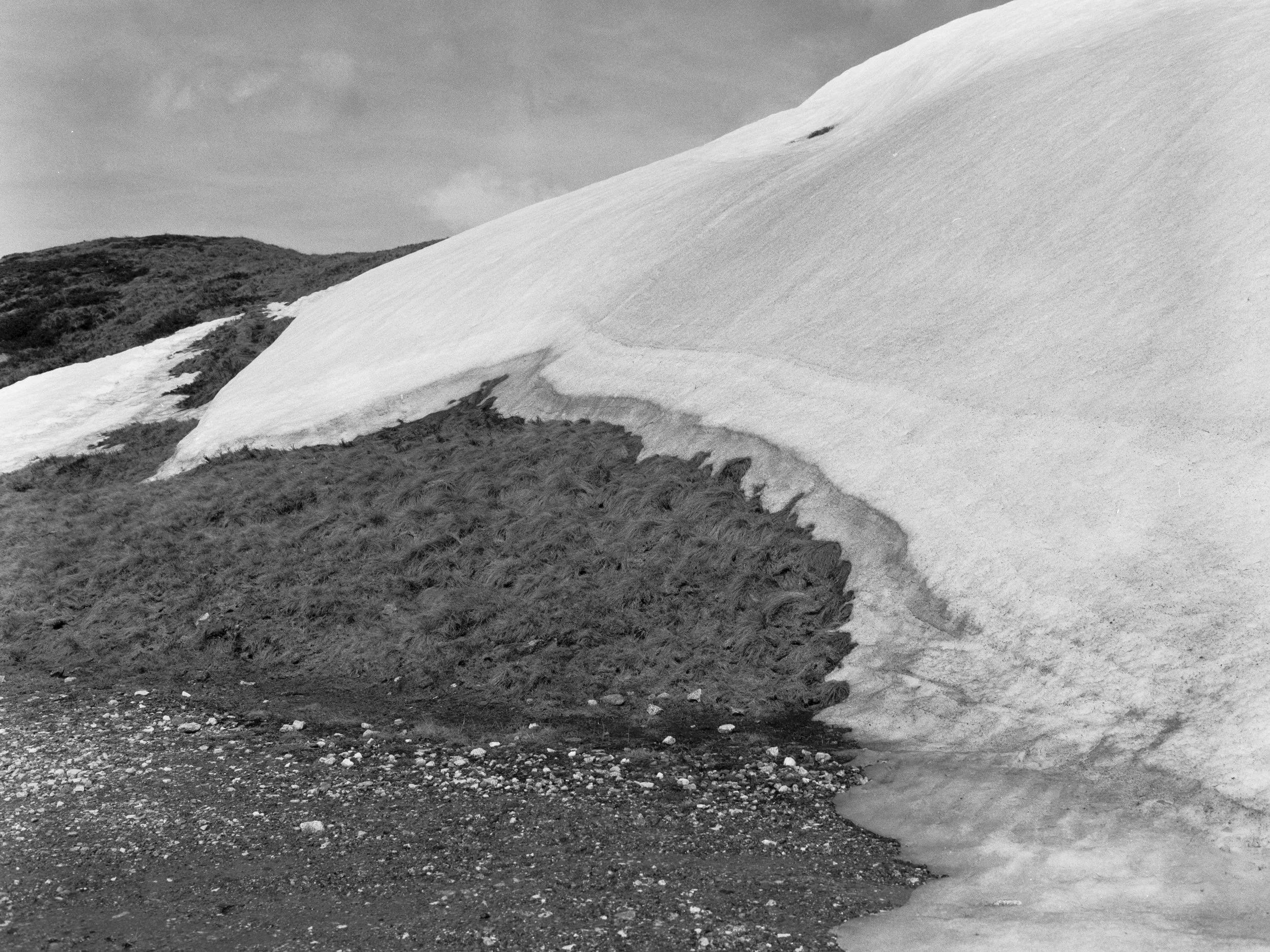
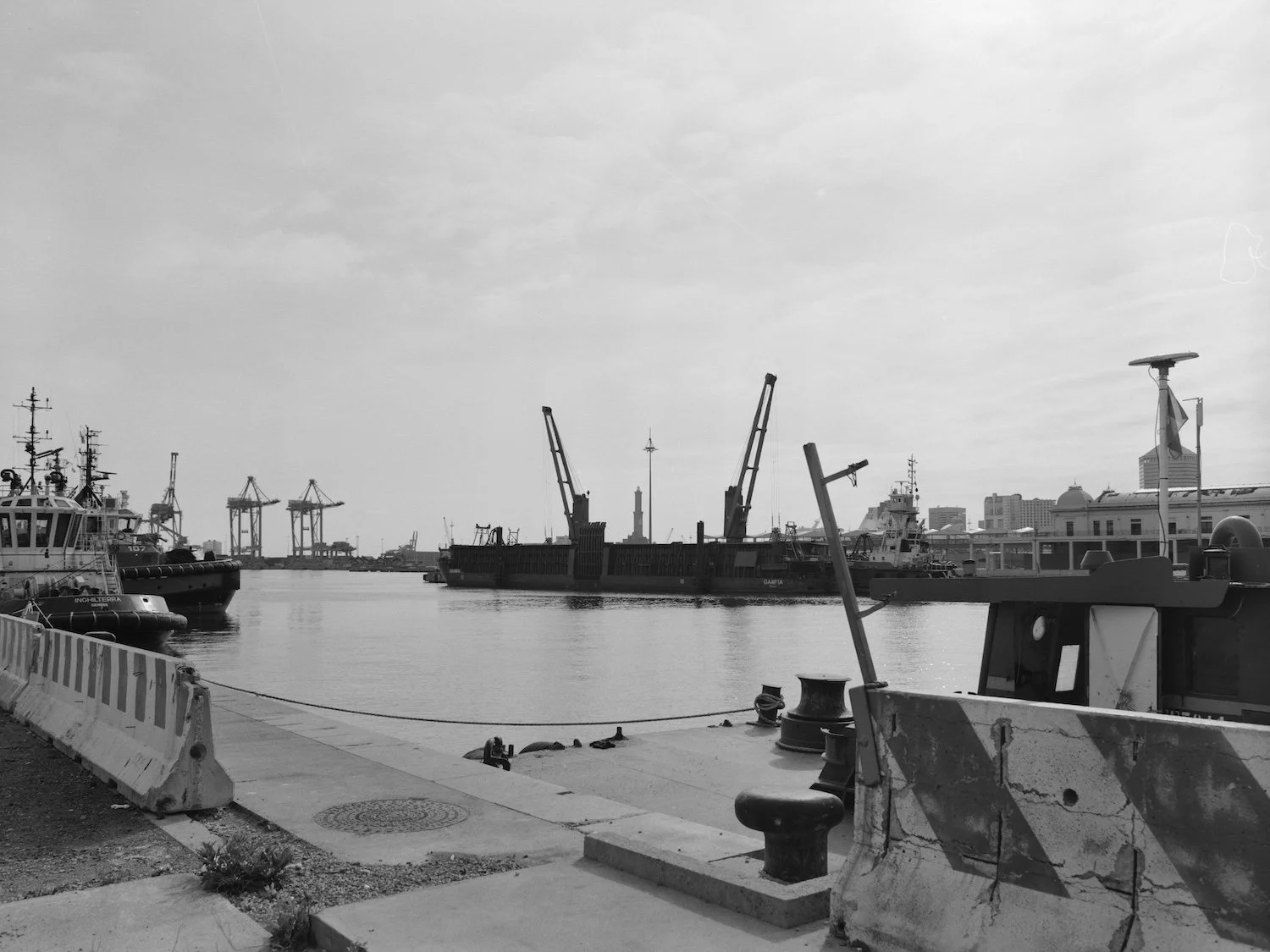
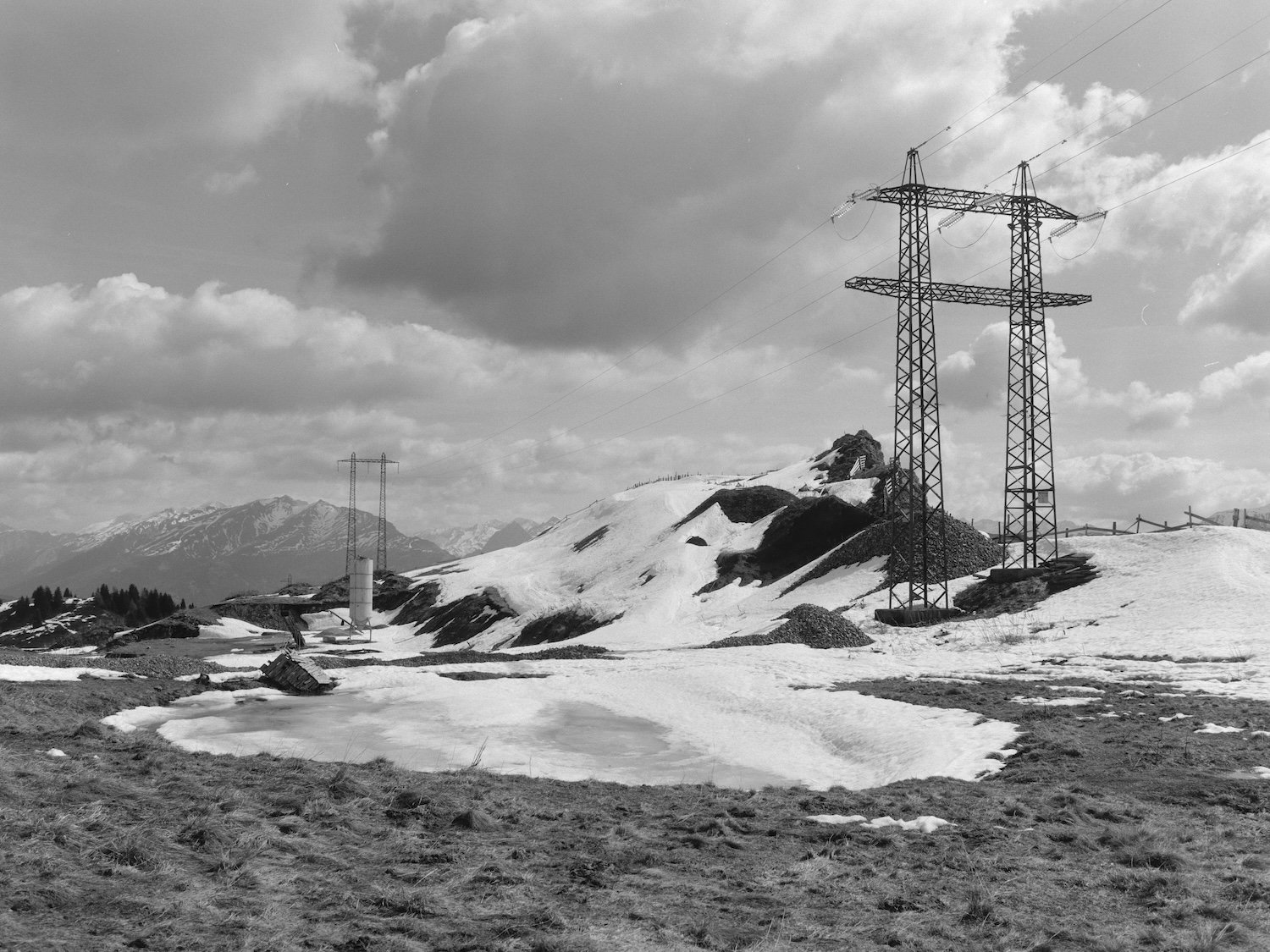
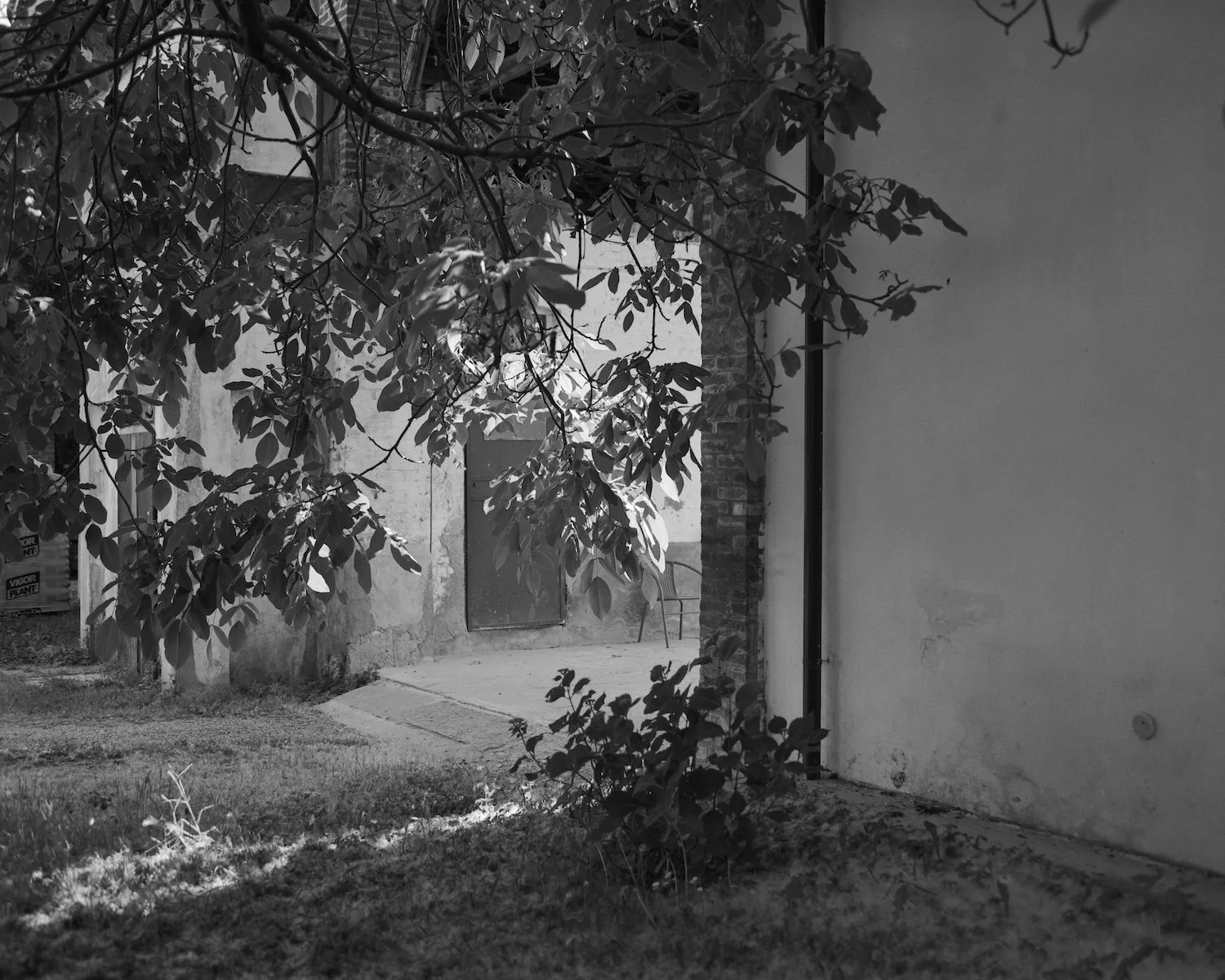
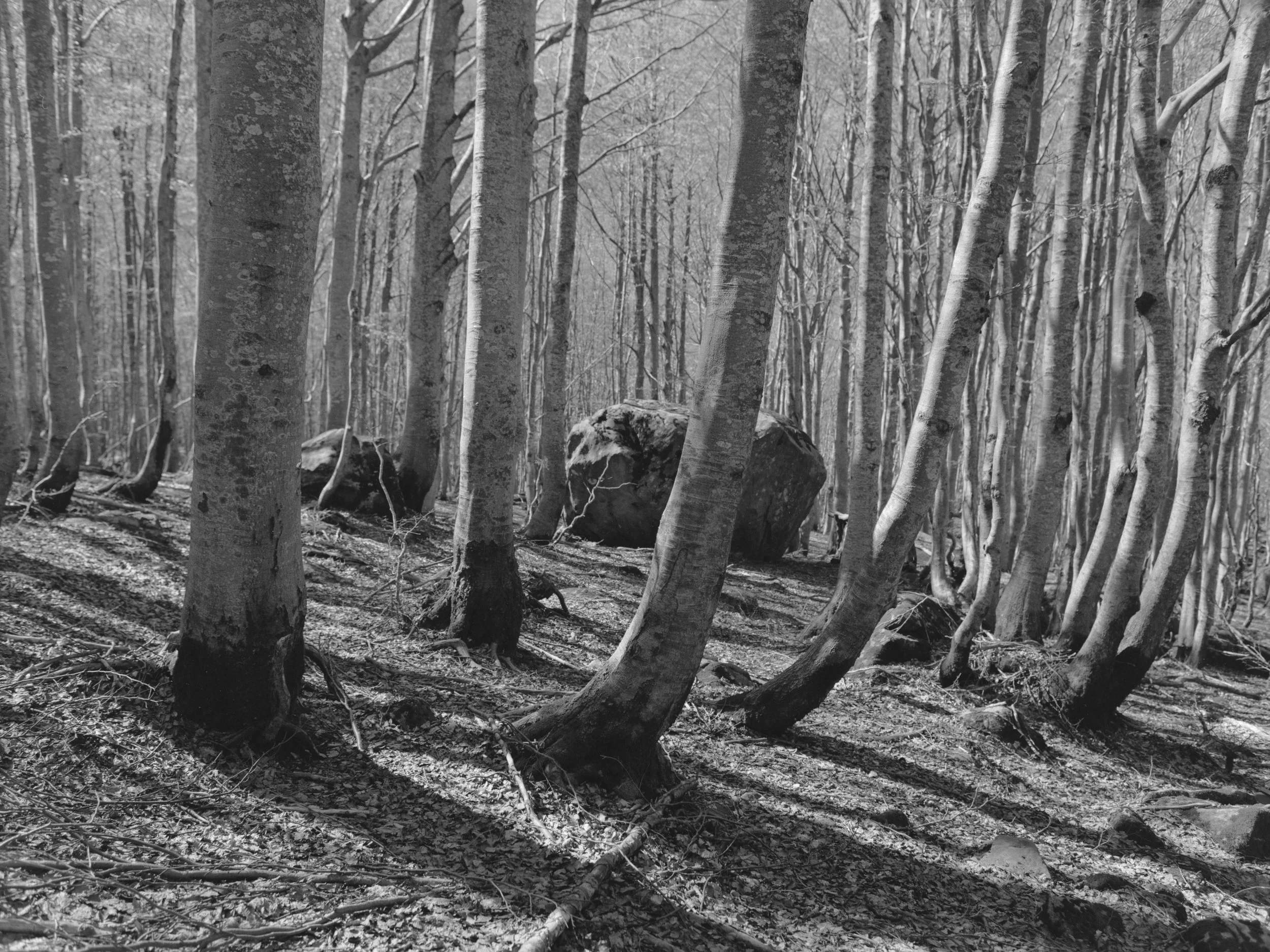
Jannik Härter and Charlotte Burkhardt trace one possible route of these escape paths: from Tegernsee through Innsbruck, the Brenner Pass, Sterzing, Merano, and Bolzano to Trento, and further through the northern Italian landscape toward Genoa. The work presents locations that served as temporary shelters or transit stations along the ratlines.
The starting point of their work is the question of how political ideologies, religious structures, and historical traces become inscribed into landscapes, architecture, and collective memory. With their series ratlines, the two artists attempt a photographic approach to a hidden network of European postwar history.